
Why Regular Septic Tank Pumping Matters for Your Home
At ASAP POOP Company LLC in Mishawaka, IN, we know just how important your septic system is to your home—even if it’s something you don’t think about every day. When it’s working properly, everything runs smoothly. But when it’s neglected, a septic system can quickly turn into an expensive and unpleasant problem.
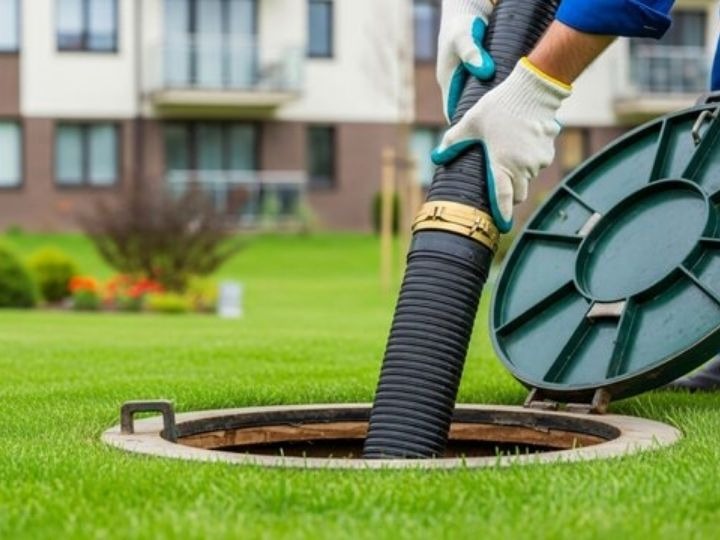
Skipping regular septic tank maintenance can lead to costly repairs, environmental damage, and even health risks for your family. In this article, we’ll break down why routine septic tank pumping matters, how to recognize when your system needs service, and how proper care can help extend the life of your septic system. Let’s get started.
Understanding Your Septic System
Before diving into why pumping is so important, it helps to understand how your septic system actually functions.
Your septic system is essentially a self-contained wastewater treatment system designed to handle everything that goes down your drains. It separates solids from liquids, breaks down waste, and safely returns treated water back into the soil.
The Components of a Septic System
A typical septic system comprises several key components, each vital for the treatment and distribution of wastewater. These components include:
- Septic Tank: This is a sealed vessel that collects the wastewater from your residence. The tank allows solids to settle at the bottom, while the liquid waste, known as effluent, proceeds to the next stage.
- Effluent: This is the liquid waste that exits the septic tank once the solids have settled.
- Leach fields: Also called a drain field, this area allows effluent to seep into the ground, where the soil filters out harmful bacteria and pathogens.
- Soil absorption: The soil in the leach field further filters the effluent before it reaches the groundwater supply.
Knowing how these parts work together highlights why regular maintenance is so important.
Here’s how septic systems function:
Wastewater flows into the septic tank, where solids settle to the bottom and fats and oils float to the top, forming scum. The effluent, which sits in the middle, flows out of the tank and into the leach field. From there, it percolates into the surrounding soil, where it’s further treated by natural filtration processes.
Over time, a septic tank will, without fail, fill up with solids. If this buildup isn’t addressed with regular pumping, you’re looking at clogs, backups, and potentially a complete system breakdown.
The Importance of Regular Septic Tank Pumping
Now that we’ve covered the basics of septic systems, let’s talk about why routine septic tank pumping is so important.
Preventing System Failure
If you don’t pump your tank regularly, solids will accumulate, taking up valuable space. Once the tank is full, the excess sludge and scum can back up into the drain field, causing blockages and contamination. This can result in costly repairs, and in the worst-case scenario, a complete system breakdown.
To prevent this, have your septic tank pumped every two to five years, depending on usage and the number of occupants. This prevents the accumulation of solids, which can cause problems. It also helps your system function efficiently and prevents expensive, unanticipated failures.
Protecting the Environment
Septic systems play a crucial role in environmental protection by safely treating and dispersing wastewater. However, neglecting maintenance can lead to system failure, allowing untreated waste to seep into the ground and potentially pollute groundwater. This can harm local wildlife, jeopardize public health, and even contaminate your drinking water.
Regular pumping is a smart move, keeping your septic system in good working order. Taking care of your system is good for your property and the environment.
How to Know When Your Septic Tank Needs Pumping
Homeowners should be on the lookout for signs that their septic tank is full and needs to be pumped. Here are some things to watch for:
Slow Drains: If water in your sinks, showers, or toilets is draining slowly, your septic tank might be full and need to be pumped.
Gurgling Pipes: Strange gurgling sounds coming from your plumbing can mean air is trapped in the pipes, which could be a sign your septic tank is full.
Unpleasant Odors: Foul smells near sinks, toilets, or in your yard can indicate that wastewater is backing up due to a clogged septic tank.
Pooling Water: If you notice pooling water or damp soil around your leach field, it could mean that your septic tank is overflowing.
Lush Grass Over the Septic Tank: If grass above the septic tank or drain field appears greener than usual, it might be due to waste seeping into the soil, causing an imbalance.
If you notice any of these problems, it’s a good idea to get in touch with a professional septic service, to inspect and pump your tank before things get worse.
What Happens During Professional Septic Pumping?
When you schedule septic tank pumping with a professional, here’s what you can expect:
- Inspection: The technician will inspect your septic tank to check for cracks, leaks, or other damage.
- Waste Removal: Using specialized vacuum equipment, the technician will remove sludge and scum from the tank, ensuring the system can function properly.
- Component Check: After pumping, the technician will inspect the internal components of the tank, such as baffles and filters, and check the drain field for potential issues.
This thorough process not only clears waste but also provides insight into the overall health of your septic system, so you can address any problems early on.
How Often Should You Pump Your Septic Tank?
The optimal pumping frequency depends on several factors, such as your household size, water usage, and the tank’s capacity. Generally, homeowners should schedule pumping every two to five years. However, larger households with higher water consumption may need more frequent service.
To keep track of septic tank maintenance, record the date of your last service. Next, consult with professionals to establish a pumping schedule that suits your system’s specific needs.
Common Septic System Troubles and Their Fixes
Aside from pumping, other problems can arise with your septic system. Here’s what to watch for:
- Unpleasant Odors: If you notice a bad smell near your tank or leach field, it usually indicates a full tank or a malfunction. Regular pumping and keeping the vent pipes clear can help manage these odors.
- Backups: If your drains begin to gurgle or you see sewage inside your home, that’s a serious warning sign. It means your septic system is overwhelmed and requires immediate attention.
Those gurgling sounds emanating from your pipes? They might be a sign of trapped air, possibly due to a full tank or clogged pipes.
If you observe any of these indicators, don’t delay. Reach out to a septic service professional immediately to prevent the situation from escalating.
Choosing a Reliable Septic Service
When selecting a septic service, reliability and a proven history are key. Look for a company with a strong reputation, positive customer reviews, and the necessary certifications. It’s also important to choose a provider that offers a comprehensive range of services, including inspections, pumping, and emergency repairs. A fully licensed and insured team with proven experience and a commitment to customer service can give you confidence that your septic system will be properly maintained and any issues will be handled efficiently.
The Cost of Septic Tank Pumping
The average cost of septic tank pumping depends on your location and the size of your tank. While some homeowners may hesitate due to the upfront cost, regular pumping is an investment that prevents costly repairs and system failures down the road. Plus, it helps maintain your property value and protect the environment.
At ASAP POOP Company LLC, we offer competitive pricing and transparent quotes, so you can feel confident that you’re getting the best value for your septic maintenance.
Ready to Keep Your Septic System Running Smoothly? Contact ASAP POOP Company LLC Today!
If you’re ready to keep your septic system in top condition and avoid costly repairs down the road, don’t wait until it’s too late! We offer reliable septic tank pumping and maintenance services tailored to your needs. Our experienced team is here to ensure your system runs smoothly year after year, giving you peace of mind and protecting your home. Contact us today to schedule your septic service and keep your plumbing hassle-free.